
Yorkshire Terriers consistently rank among the most popular toy breeds—and for good reason. They’re small enough for apartments, loyal and affectionate, and relatively low-shedding. This guide gives you 10 evidence-based reasons they work well as family pets, plus when a Yorkie might not be the best fit.
Last updated: February 2026 · Reading time: ~8 min
Quick Answer
Yorkshire Terriers are ideal family pets for the right household: they’re small and portable, adaptable to apartments or houses, devoted and trainable, hypoallergenic (low-shedding), and long-lived. They do best with gentle older children, consistent training (including for barking), and daily grooming. They’re not ideal for very young children (injury risk), first-time owners who can’t commit to training, or anyone who can’t tolerate vocalization. Use the summary table and checklist below to see if a Yorkie fits your family.
At a Glance: Why Yorkies Fit Many Families
| Reason | What it means for you |
|---|---|
| Small size | Easy to travel with, fit in small homes; lower food and supply costs. |
| Apartment-friendly | Don’t need a yard; short walks and indoor play suffice. |
| Devoted | Strong bond with owners; thrive on attention and companionship. |
| Good with (older) kids | Safe and cuddly when kids are taught to handle gently; supervise under 8. |
| Popular & well-known | Easy to find breed info, vets, groomers, and breeders. |
| Trainable | Smart; respond well to positive reinforcement and training treats. |
| Low shedding | Hair-like coat; fewer allergens and less fur on furniture. |
| Therapy potential | Calm, portable size; some work as therapy or emotional support dogs. |
| Silky coat | Distinct look; needs regular brushing and grooming. |
| Alert & protective | Natural watchdogs; training keeps barking manageable. |
1. Small and Compact
Yorkies typically weigh under 7 pounds. That means they’re easy to carry, travel with, and fit in small living spaces. They eat less than larger dogs, so food and treat costs are lower. Their size also makes them a realistic option for seniors or people with limited mobility—as long as they can still provide daily exercise and grooming.
2. Great for Apartment Living
They don’t need a yard. Short daily walks plus indoor play and mental stimulation are usually enough. Yorkies can be easy to housetrain with consistency (including pee pads if needed). Just be prepared for some barking; training and enrichment help keep it under control.
3. Devoted Companions
Yorkies form strong bonds with their people and often want to be near you. That makes them loving lap dogs and companions. Because they’re so attached, they can be prone to separation anxiety if left alone too long—so they’re a better fit for households where someone is home often or arrangements are made for company.
4. Suited to Families with (Older) Children
They’re generally friendly and affectionate. With older children who know how to handle a small dog gently (no rough play, no dropping), Yorkies can be safe and fun. Supervision is important: their small size means they can be injured by toddlers or by being dropped. Teach kids to sit when holding the dog and to avoid grabbing or chasing.
5. One of the Most Popular Breeds
Their popularity means you’ll find plenty of breed-specific advice, grooming tips, and health information. It’s easier to find vets and groomers familiar with the breed, and communities of owners for support. When adding a puppy, choose a reputable breeder who health-tests and socializes.
6. Trainable and Intelligent
Yorkies are smart and often eager to please. They respond well to positive reinforcement: treats, praise, and short, fun sessions. Start early with basics (sit, stay, come) and housetraining; use a trainer if you hit plateaus with barking or leash manners.
7. Hypoallergenic (Low-Shedding)
No dog is 100% hypoallergenic, but Yorkies have a human-like hair coat that sheds very little. That can mean fewer allergens in the home and less fur on furniture—a plus for allergy-sensitive families. Coat care still matters: regular brushing and occasional baths keep skin and coat healthy.
8. Can Excel as Therapy Dogs
Their size, calm demeanor (when trained and socialized), and attachment to people make some Yorkies good candidates for therapy or comfort work. If you’re interested in certification, focus on obedience, socialization, and a steady temperament from an early age.
9. Silky, Distinct Coat
The long, silky coat is a breed hallmark. It requires regular brushing to prevent mats and tangles. Many owners keep the coat in a shorter “puppy cut” for easier upkeep. Either way, grooming is part of responsible ownership and a good chance to bond.
10. Protective and Alert
Yorkies are natural watchdogs and will often bark at doorbells, strangers, or noises. That can be reassuring for security-conscious families. To keep it manageable, train a “Quiet” cue and reward calm behavior so alert barking doesn’t become excessive.
When a Yorkie Might Not Be the Right Fit
| Situation | Why it’s a concern |
|---|---|
| Very young children | Toddlers can injure or scare a small dog; Yorkies can nip if frightened. |
| First-time owner, no time for training | Yorkies need consistency for housetraining and barking; without it, behavior issues worsen. |
| Can’t tolerate barking | Vocalization is breed-typical; training reduces but doesn’t eliminate it. |
| Want a very active, high-exercise dog | Yorkies need moderate activity, not hours of running. |
| Limited budget for grooming | Coat needs regular brushing and periodic professional grooming or clipping. |
For a balanced view, see pros and cons of Yorkshire Terriers.
Quick Fit Checklist
- Someone can be home enough or arrange company (avoid long solo days).
- Household is okay with some barking and willing to train.
- You can commit to daily brushing and periodic grooming.
- Kids (if any) are old enough to handle a small dog gently, with supervision.
- You’re ready for a long-lived companion (often 12–15 years).
If most boxes are checked, a Yorkie can be an ideal family pet. Next step: find a responsible breeder who health-tests and socializes puppies.
Frequently Asked Questions
What is a Yorkshire Terrier?
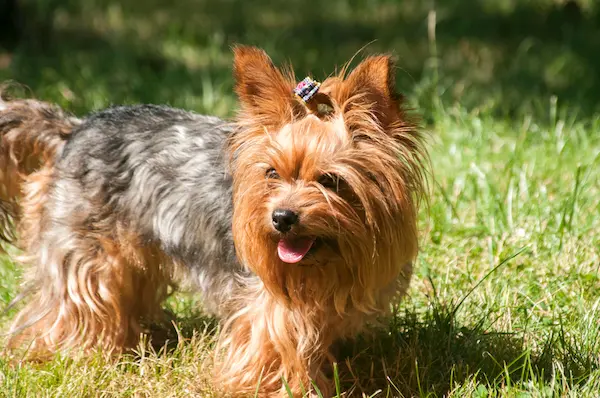
A Yorkshire Terrier (Yorkie) is a small toy breed that originated in England. They have a long, silky coat (often blue and tan), weigh under 7 pounds, and are known for being alert, loyal, and adaptable to many living situations.
Are Yorkshire Terriers good with children?
They can be, with older children who are taught to handle them gently. Supervision is important; their small size means they’re easily injured by rough play or being dropped. Toddlers and Yorkies are often a poor match.
How big do Yorkshire Terriers get?
Most weigh between 4 and 7 pounds. Breed standards typically cap them at 7 pounds; “teacup” labels are not official and often come with higher health risks.
Do Yorkies require a lot of exercise?
No. Short daily walks plus indoor play and mental stimulation are usually enough. They’re moderate-energy dogs, not high-endurance athletes.
Are Yorkshire Terriers good for first-time dog owners?
They can be if the owner is committed to training (especially housetraining and barking), grooming, and providing company. Stubbornness and vocalization are common; first-timers often benefit from a trainer or structured classes.
This article contains affiliate links. As an Amazon Associate we earn from qualifying purchases.
More Free Yorkie Health Tools
Interactive calculators and symptom checkers built specifically for Yorkie owners.
Explore Free Tools →This article is for general guidance only. For breed selection and care decisions, consider your lifestyle and consult breeders or veterinarians as needed.